Pro Israel Campaigners Chase College Democrats
Pro-Israel activists are increasingly collaborating with College Democrats to transform campus dialogue. By aligning their efforts around mutual ideals like social justice, they aim to facilitate meaningful conversations about the Israeli-Palestinian conflict. This partnership aims to advance forward-thinking ideas while cultivating understanding in a polarized climate. However, the implications of this partnership raise significant concerns about the views of students and the trajectory of student movements on campuses. What challenges and opportunities await for these student factions?
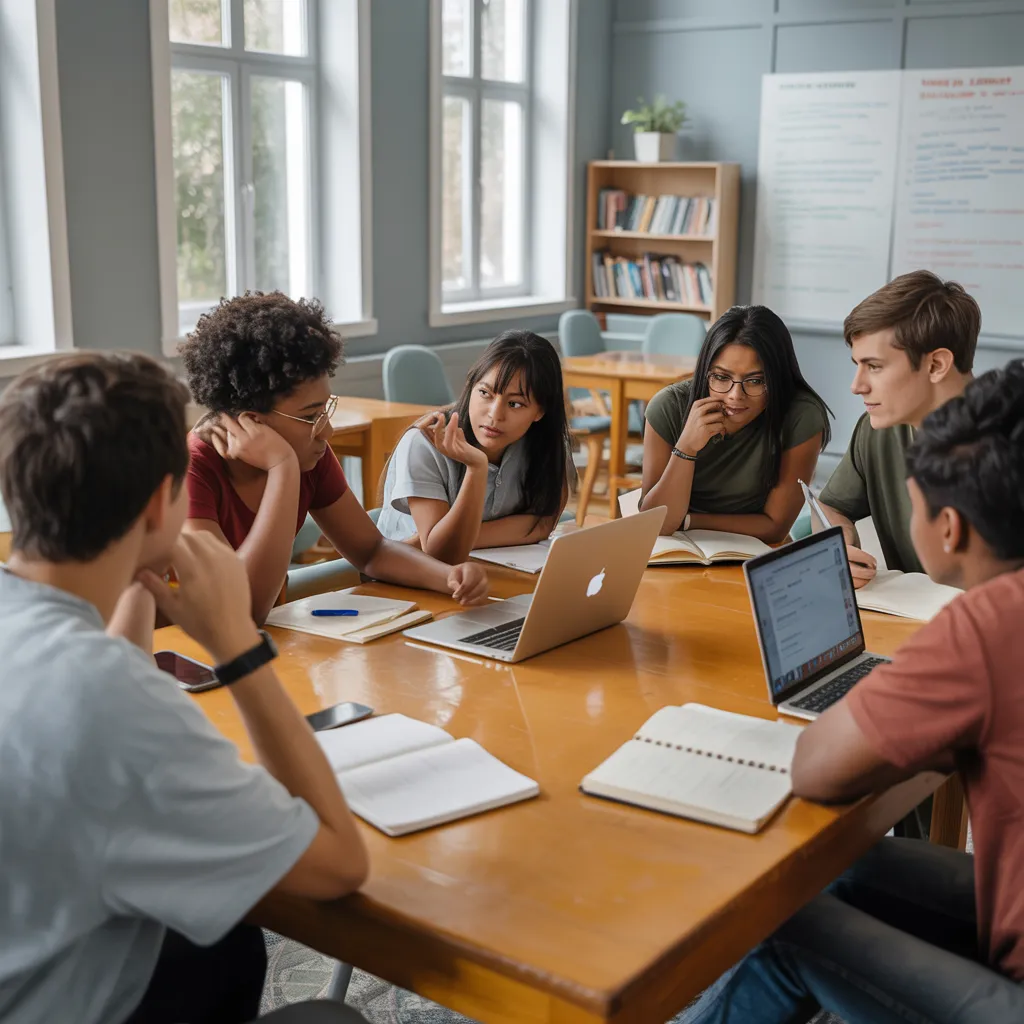
The Increasing Presence of Pro-Israel Movements on University Campuses
As pro-Israel engagement rises on college campuses, its influence over student discourse and political engagement becomes increasingly evident. This surge is transforming conversations surrounding international relations, particularly regarding the Israeli-Palestinian conflict. Pro-Israel groups are hosting events, bringing in notable speakers, and facilitating conversations that showcase Israel's democratic values and cultural contributions. These efforts often draw in a diverse audience, including those who may be previously indifferent to the topic.
In addition, the advocacy has motivated students to participate more actively with global issues, generating debates that extend beyond campus boundaries. Many students find themselves reevaluating their stances on overseas relations, while fellow students become active participants in activist campaigns. This evolving landscape reflects a shift in how democratic activity is approached, with support for Israel steadily developing into a element of the expansive campus discussion. The effect of these activists is not only felt in discourse but also in forming the political outlooks of students.
Engaging Students: Pro-Israel Strategies on Campus
Pro-Israel advocates are utilizing a range of approaches to meaningfully connect with students on college campuses. Such programs commonly feature organizing academic gatherings, like seminars and roundtable discussions highlighting authorities on Middle Eastern history and Israeli society. By providing platforms for informed dialogue, these organizations aim to counter misinformation and promote a well-rounded perspective on Israel's significance in world events.
Social media initiatives represent another essential strategy, taking advantage of platforms favored by students to share positive narratives about Israel. Furthermore, pro-Israel coalitions are establishing collaborations with various campus organizations to foster collaborations that emphasize shared values, such as democratic values and technological progress.
To broaden their influence, these groups frequently promote student leadership by preparing representatives to articulate their perspectives effectively. This multifaceted approach not only works to rally engagement but also strives to foster a more knowledgeable student population regarding the complexities of the Israeli-Palestinian issue.
How College Democrats Are Driving Political Conversations
Campus Democratic organizations are playing a pivotal role in driving political dialogue on campus, often framing discussions around key issues such as social progress and fairness. By means of coordinated activism, they mobilize student engagement and cultivate a feeling of belonging among varied viewpoints. Such impact not only shapes local conversations but also reaches further than the campus, mirroring wider political movements.
Shaping Campus Political Discourse
Activism on campus has taken on new dimensions as College Democrats immerse themselves in political discourse. These engaged individuals are driving dialogue about critical issues, from climate change to social justice, and significantly influencing the political landscape. By coordinating gatherings, leading debates, and promoting open conversation, they build a community of politically aware individuals. Their efforts consistently highlight progressive viewpoints, encouraging diverse viewpoints and challenging mainstream narratives. This participation not only enlightens members but also impacts overall campus perspectives. Moreover, College Democrats regularly work alongside diverse organizations, creating a network of activists dedicated to social change. With these endeavors, they fulfill a critical role in defining political dialogue at universities, creating opportunities for the next generation of political leaders.
Mobilizing Student Activism Efforts
The mobilization of student activism has developed into a significant movement on campuses, with College Democrats at the forefront in political conversations. By coordinating rallies, events, and open discussions, they consistently bring their peers together in critical issues, cultivating an environment of open dialogue and awareness. These activities regularly reach across political divides, welcoming involvement from varied communities and elevating forward-thinking values. Through social media campaigns and partnerships with local organizations, College Democrats simultaneously enlighten and galvanize students to champion policies aligned with the priorities of their generation. This grassroots approach reinforces the importance of young voices in influencing the political landscape, ensuring that the concerns of students are represented in the larger political conversation and influencing decisions on campus and beyond.
Connecting With Different Perspectives
As student activism continues to grow on campuses, College Democrats play a pivotal role in shaping political conversations by welcoming a wide range of viewpoints. This involvement cultivates an atmosphere where varying viewpoints are not only welcomed but actively encouraged. By including input from individuals of diverse backgrounds, these groups push back against traditional narratives and advance inclusivity in political conversation.
Via discussions, forums, and collaborative gatherings, College Democrats establish spaces for marginalized communities, fostering a more nuanced grasp of complicated matters. This approach not only deepens the exchange within their organization but also influences larger campus dialogues. As they navigate diverse viewpoints, the College Democrats showcase the necessity of solidarity across differences, thereby preparing students for future political engagement in a complex landscape.
Understanding Student Perspectives on Israel Amid Rising Tensions
How do students maneuver their beliefs about Israel amid increasing international tensions? In a growing climate of division, a great number of students wrestle with multifaceted sentiments surrounding Israel. On one side, some demonstrate firm support for Israel, referencing historical connections and democratic principles. In contrast, others advocate for Palestinian rights, guided by social justice initiatives and appeals for fairness. This dichotomy often leads to intense discussions on campuses, where students seek to articulate their perspectives while fostering understanding.
A great number of students mention feeling pressured to adopt a firm position, reconciling individual values with the pursuit of group acceptance. This has sparked forums and conversations designed to close gaps, yet the deeper tensions continue to be felt. As external conflicts impact internal dialogues, students increasingly recognize the importance of open dialogue while navigating their changing perspectives on Israel and what it means for worldwide peace and justice.
Impactful Pro-Israel Initiatives on Campus
Pro-Israel programs on college campuses often focus on engaging educational campaigns that foster awareness of Israel's history and culture. These initiatives are strengthened by establishing strong connections with a range of student associations, creating an inclusive space for open discussion. Collectively, these efforts work to build a more aware and encouraging campus climate regarding Israel.
Compelling Educational Initiatives
Compelling advocacy-focused initiatives have become a vital tool for fostering comprehension and advocacy for Israel on academic campuses. Such programs commonly feature informational booths, workshops, and speaker series aimed at correcting misunderstandings and promoting open exchange about Israel's history and contemporary issues. By incorporating an array of multimedia tools, such as online campaigns and dynamic multimedia content, pro-Israel activists strategically target a wide range of students. Engaging university faculties enhance the credibility of these campaigns, facilitating thoughtful conversations that appeal to young academics. Additionally, focusing on universally held beliefs, including freedom and creative progress, closes divides among diverse student communities. In summary, these programs fulfill an essential purpose in cultivating informed perspectives and fostering productive discussions regarding Israel's role and relevance.
Building Strategic Alliances
Cooperation stands as a pillar for meaningful pro-Israel programs on college campuses, cultivating a network of support that extends past individual organizations. By forming strategic partnerships with various student groups, pro-Israel advocates improve their outreach and effectiveness. These collaborations often involve engaging with diverse demographics, including multicultural and political organizations, to create a broader understanding of Israel's relevance. Joint events, workshops, and discussions can bridge gaps in knowledge and facilitate dialogue, ultimately fostering a more informed campus environment. In addition, connections with faculty and administration can offer necessary resources and legitimacy to efforts. Through these joint efforts, pro-Israel movements reinforce their presence, promoting a more comprehensive discourse surrounding Israel and building a supportive atmosphere for its advocacy on campus.
Patterns in Student Activism: The Future of Pro-Israel Participation
As student activism evolves, the landscape of support for Israel on college campuses is experiencing notable transformation. To a growing extent, pro-Israel activists are implementing creative methods that appeal to younger demographics. This transformation encompasses harnessing social media platforms to strengthen their voice and engage with a broader audience. Collaborative efforts between pro-Israel groups and a range of student associations are coming to fruition, fostering dialogue and shared perspectives.
In addition, the incorporation of learning programs, such as workshops and speaker events, works to educate students about Israel's history and its geopolitical context. These strategies indicate a growing recognition that traditional methods of advocacy may not be enough in a rapidly changing political climate. As youth advocacy expands in scope, support for Israel on campuses is likely to evolve into a more inclusive movement, focusing on collective values and shared perspectives. This shift has the potential to improve the effectiveness of pro-Israel efforts, ultimately shaping the future of campus discussions surrounding the Israeli-Palestinian conflict.
Tips for Navigating College Discussions on the Topic of Israel
Maneuvering campus dialogues about Israel can be challenging, especially given the variety of viewpoints and powerful sentiments involved. To participate meaningfully, people should first approach discussions with an open mind, acknowledging that different perspectives exist. Attentive engagement is crucial; it encourages clarity and demonstrates consideration for others' perspectives.
Using factual information and credible sources can anchor discussions in reality, steering clear of the dangers of false information. Promoting productive conversation over adversarial exchanges may yield more fruitful communication. It is beneficial to identify common values, such as a shared commitment to peace and security, which can serve as a foundation for discussion.
In conclusion, recognizing the sensitive nature of the topic helps participants to approach complex subjects with care. By upholding a tone of respect and prioritizing dialogue rather than debate, individuals can contribute to a more understanding and knowledgeable educational setting concerning the nuances of Israel-focused dialogue.
Common Questions and Answers
What Are the Key Organizations Driving Pro-Israel Activism on College Campuses?
Main groups behind Israel-focused activism on campuses include AIPAC, Hillel International, the Israel on Campus Coalition, and StandWithUs. Such groups aim to foster education and backing for Israel within student and campus communities.
How Do Pro-Israel Activists Measure Their Success on College Campuses?
Advocates for Israel gauge their effectiveness on university campuses through growing student involvement, participation in events, positive campus-wide policies, and improved student knowledge of Israel's perspective. Event turnout and social media presence are also used as primary benchmarks.
What Obstacles Do Pro-Israel Advocates Encounter From Student Organizations?
Pro-Israel activists experience difficulties from student organizations that promote opposing narratives, contend with structured opposition, suffer from insufficient financial support, and need to handle academic political environments, which in-depth article often favor opposition to Israel, making more difficult their advocacy and community efforts considerably.
Are There Any Well-Known Alumni Participating in Pro-Israel Activism?
Many distinguished former students are involved in support for Israel, comprising philanthropists, influential business leaders, and politicians. Their involvement helps mold public opinion and policy regarding Israel, building support across diverse communities and institutions.
How Does Social Media Impact Pro-Israel Activism Among College Students?
Social media amplifies pro-Israel engagement among the student body by enabling information exchange, building support, and establishing networks. Platforms enable rapid sharing of messages, building engagement and a sense of community, while also permitting opposing narratives to be confronted effectively.